
中心成果
Achievement

元宇宙策展

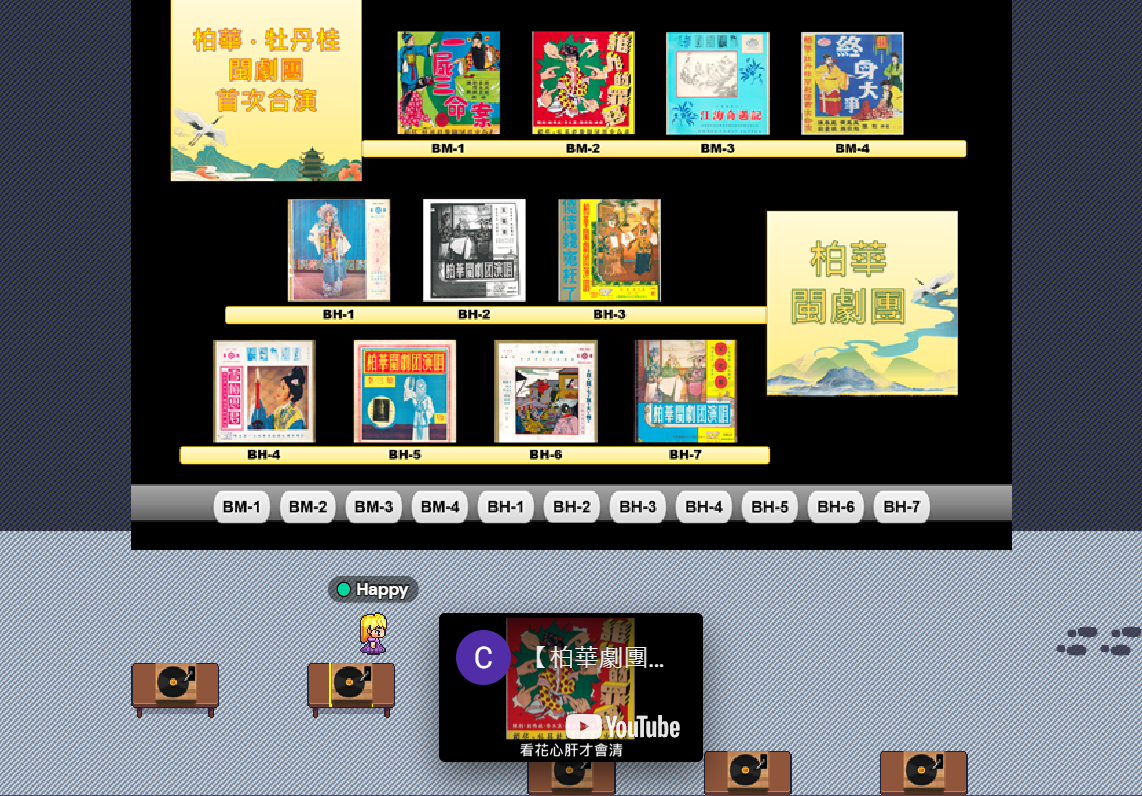
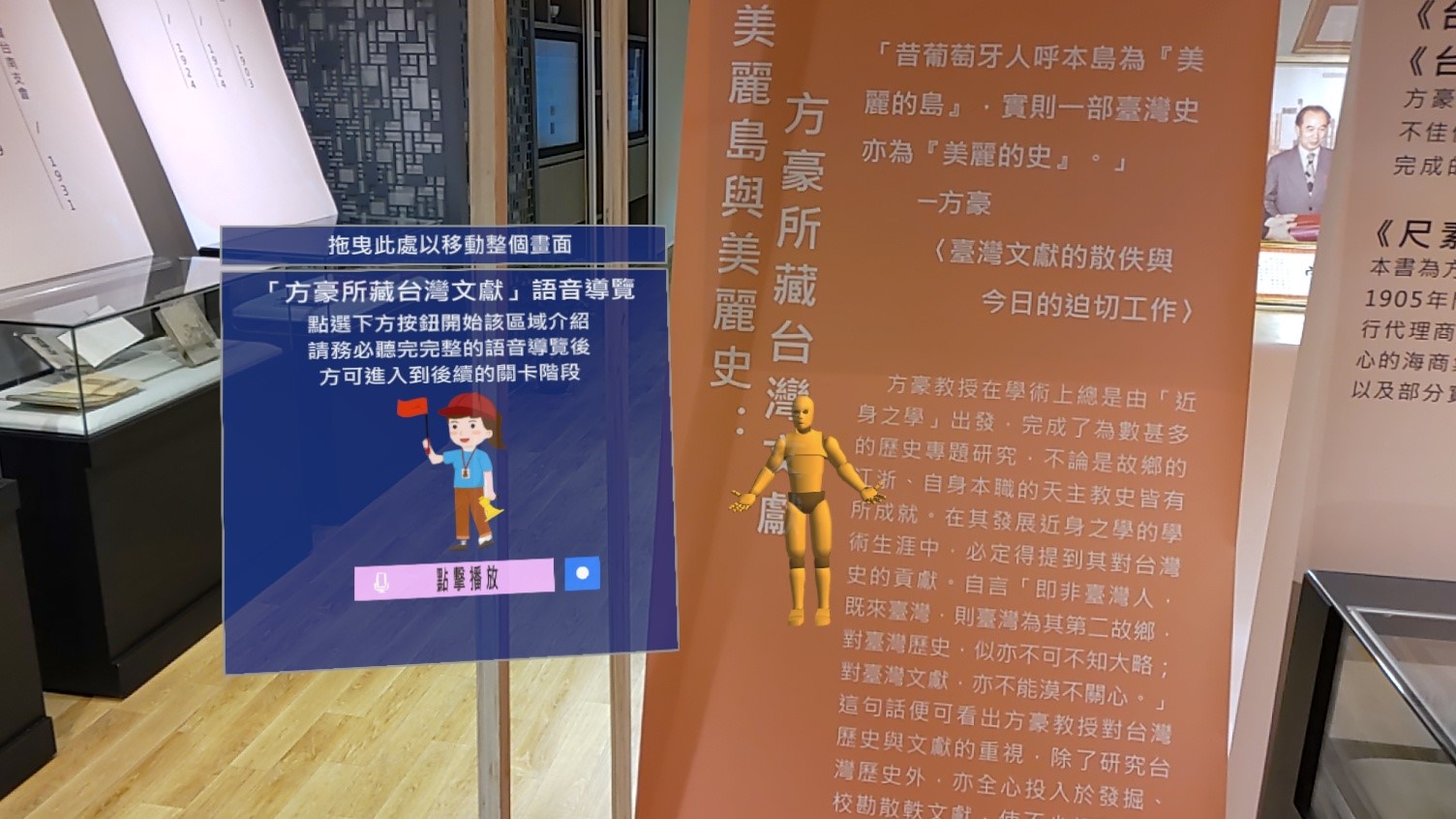
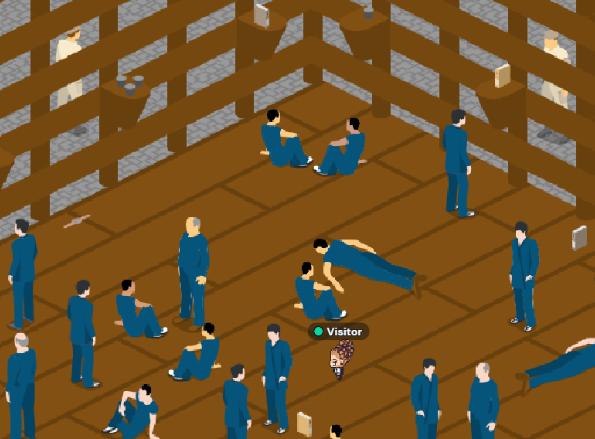

國際鏈結
- 將本中心發展之「華人文化元宇宙生態系統平台」推廣為國際知名的華人文化元宇宙平台。
- 與國外大學合作共建及共享「華人文化元宇宙生態系統平台」之數位策展內容。
- 與國外學者一起策劃跟華人文化相關主題之元宇宙數位策展。
- 持續不斷透過國際合作及交流互動,提升本中心的國際影響力及國際聲望。
- 與華人文化、數位人文,以及元宇宙研究之國際知名學者執行國際合作研究。
- 與國外大學合作進行「華人歷史記憶」、「華人宗教實踐」,以及「華人大眾文化」之跨地域及族群研究。
學術研究
學術成果
期刊論文
- 陳志銘、林振源、涂家政(2025)。混合實境道教科儀訓練系統發展與教學應用研究。文化資產保存學刊,71,31–60。https://doi.org/10.6941/JCHC.202503_(71).0002
- 蔡欣欣(2025)。元宇宙數位策展—1960年代臺灣歌仔戲赴新馬商演的歷史印記。馬來西亞華人研究學刊,32,27–68。
- 吳柏毅、鄭琨鴻(2024)。遊戲化虛擬導覽運用於圖書館利用教育之成效評估。教育資料與圖書館學,61(2),93–125。https://doi.org/10.6120/JoEMLS.202407_61(2).0027.RS.AM
- 李明娟、范維媛、陳志銘(2024)。元宇宙數位策展模式下的文化保存與傳承。華人宗教研究,24,219–243。https://doi.org/10.6720/SCR.202407_(24).0006
- 林巧敏(2024)。虛實整合之政大校史檔案數位策展設計。羅望子,4,32–43。
- 陳志銘、曾宇誠(2024)。應用區塊鏈發展地方文史資料典藏保護與策展應用平臺研究。華人宗教研究,24,201–218。https://doi.org/10.6720/SCR.202407_(24).0005
- 鄭琨鴻、吳柏毅、陳怡廷(2024)。線上古蹟虛擬導覽設計與發展:情境敘事與遊戲化策略。數位學習科技期刊,16(3),53–86。https://doi.org/10.53106/2071260X2024071603003
- 榮予恩、林巧敏(2023)。國立政治大學校史展示發展與數位策展工作紀實。圖資與檔案學刊,15,128–153。https://doi.org/10.6575/JILA.202306_(102).0005
- 莊昀蒨、鄭琨鴻(2023)。虛擬實境文學閱讀:探索同理心在行為意圖及閱讀理解上的角色。教育資料與圖書館學,60,77–111。https://doi.org/10.6120/JoEMLS.202303_60(1).0032.RS.CM
- Chen, C.-M., Lan, S.-C., Li, M.-C., & Weng, J.-H. (2025). Enhancing history learning performance through experiencing a history event presented as a digital curation in the metaverse. Journal of Library and Information Studies, 23(2), 47–83. https://doi.org/10.6182/jlis.202512_23(2).047
- Chen, C.-M., Li, M.-C., & Kao, Y.-C. (2025). A gamified collaborative reading annotation system to facilitate reading comprehension, annotation behaviors, immersion experience, and reading motivation. Technology, Pedagogy and Education, 34(5), 639–658. https://doi.org/10.1080/1475939X.2025.2483854
- Chen, C.-M., Witt, B., & Lin, C.-Y. (2025). A knowledge graph analysis tool of people and organizations to facilitate digital humanities research. Data Technologies and Applications, 59(1), 82–110. https://doi.org/10.1108/DTA-01-2024-0009
- Lee, P.-C. (2025). Bridging contexts: The role of digital curations in libraries. Journal of Electronic Resources Librarianship, 36(4), 271–291. https://doi.org/10.1080/1941126X.2024.2414716
- Lee, P.-C. (2025). Evaluating user experience in digital curation within libraries, archives, and museums. Journal of Web Librarianship, 19(1), 1–44. https://doi.org/10.1080/19322909.2025.2481047
- Chen, C.-M., & Chen, X.-X. (2024). An associative text analyzer to facilitate effectiveness of exploring historical texts for digital humanities. Aslib Journal of Information Management. https://doi.org/10.1108/AJIM-01-2024-0014
- Chen, C.-M., & Huang, M.-Y. (2024). Enhancing programming learning performance through a Jigsaw collaborative learning method in a metaverse virtual space. International Journal of STEM Education, 11, 36. https://doi.org/10.1186/s40594-024-00495-2
- Chen, C.-M., & Yang, Y.-C. (2024). A game-based augmented reality navigation system to support makerspace user education in a university library. The Electronic Library, 42(1), 78–101. https://doi.org/10.1108/EL-05-2023-0107
- Chen, C.-M., Li, M.-C., & Tu, C.-C. (2024). A mixed reality-based chemistry experiment learning system to facilitate chemical laboratory safety education. Journal of Science Education and Technology, 33(4), 505–525. https://doi.org/10.1007/s10956-024-10101-3
- Cheng, K.-H. (2024). Development of an immersive virtual reality system for learning about plants in primary education: Evaluation of teachers’ perceptions and learners’ flow experiences and learning attitudes. Educational Technology Research and Development, 72, 845–867. https://doi.org/10.1007/s11423-023-10300-6
- Kwong, C. M., Lai, W. W. L., & Rivera, M. B. C. (2024). Showcasing, contextualizing, and explaining the diversity of human experiences in combat using GIS: The Battle of Hong Kong in 1941 as an example. International Journal of Military History and Historiography, 1–33. https://doi.org/10.1163/24683302-bja10067
- Lee, P.-C. (2024). The twin transformation: Navigating digitalization and sustainability in Taiwan’s public library system. Public Library Quarterly, 44(6), 711–738. https://doi.org/10.1080/01616846.2024.2428512
- Lee, P.-C. (2024). User engagement in digital curation: A systematic review and synthesis. Journal of Librarianship and Information Science. https://doi.org/10.1177/09610006241291607
- Chen, C.-M., Chang, C., & Chen, Y.-T. (2023). A character social network relationship map tool to facilitate digital humanities research. Library Hi Tech, 41(2), 516–542. https://doi.org/10.1108/LHT-08-2020-0194
- Chen, C.-M., Ho, S.-Y., & Chang, C. (2023). A hierarchical topic analysis tool to facilitate digital humanities research. Aslib Journal of Information Management, 75(1), 1–19. https://doi.org/10.1108/AJIM-11-2021-0325
- Cheng, K.-H. (2023). An epistemic curiosity-evoking model for immersive virtual reality narrative reading: User experience and the interaction among epistemic curiosity, transportation, and attitudinal learning. Computers & Education, 201, e104814. https://doi.org/10.1016/j.compedu.2023.104814
- Cheng, K.-H., Lee, S. W.-Y., & Hsu, Y.-T. (2023). The roles of epistemic curiosity and situational interest in students’ attitudinal learning in immersive virtual reality environments. Journal of Educational Computing Research, 61(2), 494–519. https://doi.org/10.1177/07356331221121284
專書及專書篇章
- 林巧敏(編)(2025)。數位人文的實證分析與應用(第1版)。政大出版社。ISBN 978-626-761-513-3
- 陳淑君、林玟君(2025)。書目本體論在鏈結資料之再用、擴展與應用:以數位人文環境的古漢籍善本書目為例。收錄於林巧敏(編),數位人文的實證分析與應用(頁 137-181)。政大出版社。
- 鄭琨鴻、林沂瑩、羅語柔、陳怡廷(2025)。雙語融入客家文化資產虛擬導覽設計與評估。收錄於林巧敏(編),數位人文的實證分析與應用(頁 103-136)。政大出版社。
- Kwong, C. M., & Moorhouse, B. L. (2024). Using geographic information systems in a spatial history course to develop students’ digital literacies and digital humanities skills. In B. L. Moorhouse, S. S. C. Li, & S. Pahs (Eds.), Teaching with technology in the social sciences (pp. 7–17). Springer, Singapore. https://doi.org/10.1007/978-981-99-8418-3_2
會議論文
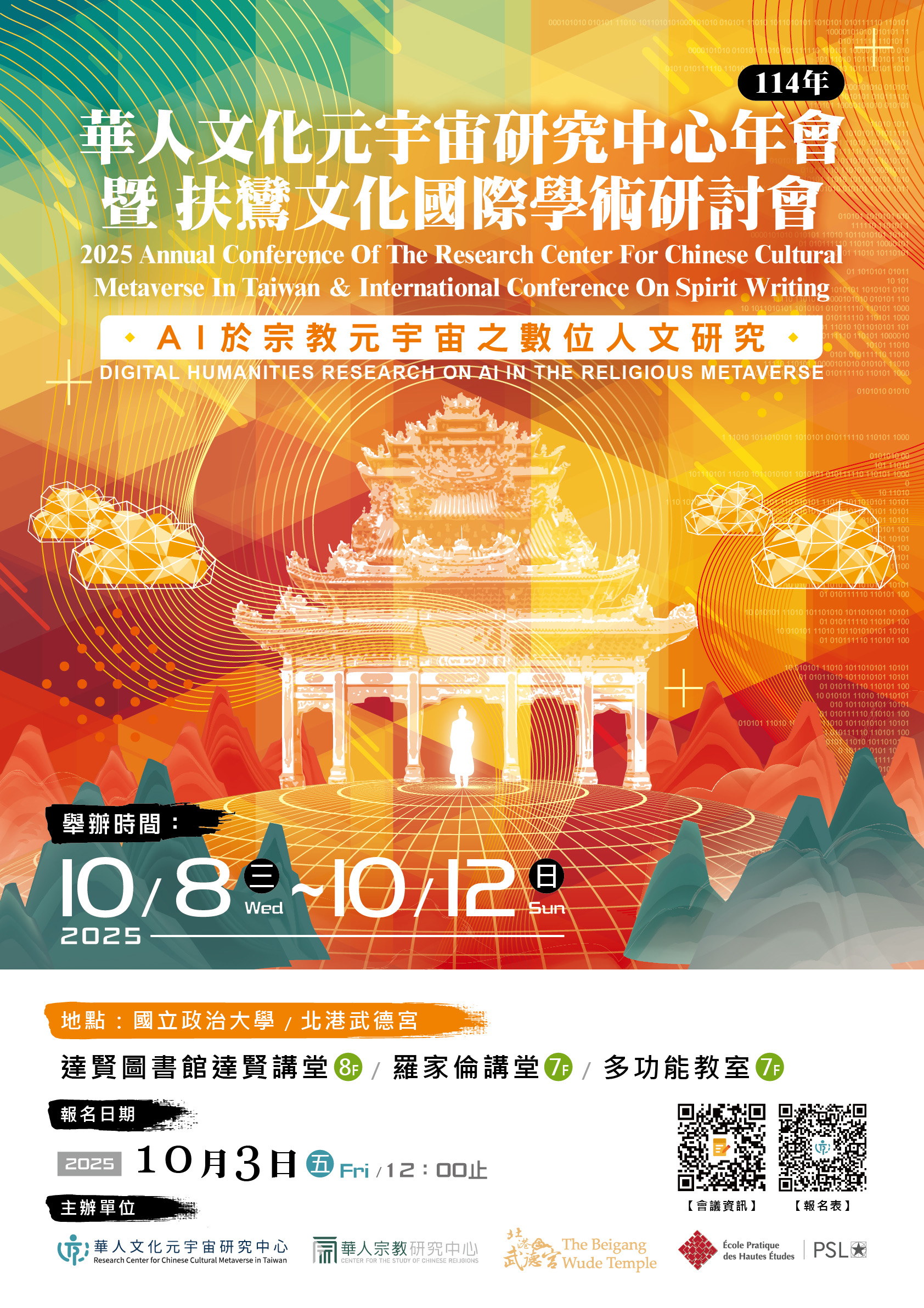
- 林振源(2025年10月)。無形文化資產與元宇宙數位策展:臺灣的道士家族、道教儀式與道法傳播。2025華人文化元宇宙研究中心年會暨扶鸞文化國際學術研討會「AI 於宗教元宇宙之數位人文研究」,華人文化元宇宙研究中心、北港武德宮,臺北,臺灣。
- 林敬智(2025年10月)。宗教空間人文學芻議:以大文山地區宗教故事地圖為例。2025華人文化元宇宙研究中心年會暨扶鸞文化國際學術研討會「AI 於宗教元宇宙之數位人文研究」,華人文化元宇宙研究中心、北港武德宮,臺北,臺灣。
- 陳志銘(2025年10月)。大型多模態模型微調訓練於道教卷軸掛圖之圖文分析應用研究。2025華人文化元宇宙研究中心年會暨扶鸞文化國際學術研討會「AI 於宗教元宇宙之數位人文研究」,華人文化元宇宙研究中心、北港武德宮,臺北,臺灣。
- 陳志銘、涂家政(2025年10月)。混合實境道教科儀訓練系統之視覺注意力引導機制對於學習成效的影響研究。2025華人文化元宇宙研究中心年會暨扶鸞文化國際學術研討會「AI 於宗教元宇宙之數位人文研究」,華人文化元宇宙研究中心、北港武德宮,臺北,臺灣。
- 陳志銘、劉苑如(2025年10月)。道教道場畫圖像之 AI 知識問答系統發展與應用。2025華人文化元宇宙研究中心年會暨扶鸞文化國際學術研討會「AI 於宗教元宇宙之數位人文研究」,華人文化元宇宙研究中心、北港武德宮,臺北,臺灣。
- 黃璿璋(2025年10月)。科幻元宇宙:科幻小說研究與數位策展示例。2025華人文化元宇宙研究中心年會暨扶鸞文化國際學術研討會「AI 於宗教元宇宙之數位人文研究」,華人文化元宇宙研究中心、北港武德宮,臺北,臺灣。
- 蔡欣欣(2025年10月)。元宇宙數位策展—1960年代臺灣歌仔戲赴新馬商演的歷史印記。2025華人文化元宇宙研究中心年會暨扶鸞文化國際學術研討會「AI 於宗教元宇宙之數位人文研究」,華人文化元宇宙研究中心、北港武德宮,臺北,臺灣。
- 謝世維、謝政修(2025年10月)。臺灣鸞堂系譜:以關聖帝君信仰為中心。2025華人文化元宇宙研究中心年會暨扶鸞文化國際學術研討會「AI 於宗教元宇宙之數位人文研究」,華人文化元宇宙研究中心、北港武德宮,臺北,臺灣。
- 藍適齊(2025年10月)。結合虛擬導覽員的歷史記憶研究。2025華人文化元宇宙研究中心年會暨扶鸞文化國際學術研討會「AI 於宗教元宇宙之數位人文研究」,華人文化元宇宙研究中心、北港武德宮,臺北,臺灣。
- 林敬智(2025年4月)。鸞堂研究的數位人文芻議。佳里昭清宮育善堂六十週年堂慶暨扶鸞文化學術研討會,佳里昭清宮管理委員、國立中山大學中國文學系,臺南,臺灣。
- 鄭琨鴻(2025年3月)。融入多重觀點敘事策略發展沉浸式虛擬實境歷史學習系統以促進歷史觀點取替。第二十屆台灣數位學習發展研討會(TWELF 2025),社團法人台灣數位學習與內容學會,嘉義,臺灣。
- 林巧敏、黃鈺婷(2024年12月)。檔案檢索系統於數位人文研究應用之易用性評估。第四屆圖書資訊學術與實務研討會,中華民國圖書館學會、中華圖書資訊學教育學會,臺北,臺灣。
- 林敬智(2024年11月)。空間資訊空間於數位人文研究之應用──以StoryMap為例。台灣數位人文學會年會「第十五屆數位典藏與數位人文」國際學術研討會,臺灣數位人文學會,臺北,臺灣。
- 陳淑君(2024年11月)。數位策展與人工智慧:沉浸式線上展覽的實踐與探索。第十五屆數位典藏與數位人文國際研討會,臺灣數位人文學會,臺北,臺灣。
- 陳淑君(2024年11月)。生成式人工智慧在數位人文的應用挑戰與機遇:以知識組織與資料敘事課程為例。第十五屆數位典藏與數位人文國際研討會,臺灣數位人文學會,臺北,臺灣。
- 陳淑君(2024年11月)。虛擬展覽中觀眾體驗維度與關鍵功能之探討:系統性文獻回顧。中央研究院歷史語言研究所113年度第18次講論會,中央研究院歷史語言研究所,臺北,臺灣。
- 蔡欣欣(2023年10月)。元宇宙數位策展—1960年代臺灣歌仔戲赴新馬商演的歷史印記。第六屆馬來西亞華人研究國際雙年會,馬來西亞華研研究中心與拉曼大學中華研究院,雪蘭莪州,馬來西亞。
- 陳淑君(2023年5月)。知識組織在數位人文研究的方法:以清代秘密宗教檔案研究為例。「臺大圖資系教師研究成果交流」工作坊,國立臺灣大學,臺北,臺灣。
- Hong, Y.-J., Li, M.-C., Chen, C.-M., & Yu, Z.-H. (2025, July 13–19). Enhancing Mandarin listening through game-based learning and personalized video annotations [Paper presentation]. The 18th IIAI International Congress on Advanced Applied Informatics (IIAI-AAI), Kitakyushu, Japan.
- Huang, H.-P., Li, M.-C., Chen, C.-M., & Weng, J.-H. (2025, July 13–19). Improving historical understanding through metaverse-based digital curation: A case study of WWII Taiwanese civilian internment [Paper presentation]. The 18th IIAI International Congress on Advanced Applied Informatics (IIAI-AAI), Kitakyushu, Japan.
- Hung, Y.-Y., Li, M.-C., Chen, C.-M., & Tu, C.-C. (2025, July 13–19). Enhancing chemical lab safety education through a mixed reality chemistry experiment platform [Paper presentation]. The 18th IIAI International Congress on Advanced Applied Informatics (IIAI-AAI), Kitakyushu, Japan.
- Lin, C.-C. (2025, July 29–31). Spatial analysis & digital archives of local religions & history: A spatial humanities approach to the Great Wenshan (文山) region in Taipei [Paper presentation]. Symposium on Bridging Spatial Technologies and the Cultural Metaverse for Digital Humanities, Kyoto, Japan.
- Liu, Y.-H., Li, M.-C., Chen, C.-M., & Xin, J.-J. (2025, July 13–19). Facilitating Mandarin pronunciation accuracy through a gamified tone diagnosis and feedback system [Paper presentation]. The 18th IIAI International Congress on Advanced Applied Informatics (IIAI-AAI), Kitakyushu, Japan.
- Shih, T.-L., Li, M.-C., Chen, C.-M., & Lin, H.-Y. (2025, July 13–19). Investigating the impact of a gamified mixed reality digital curation system on learning performance and motivation [Paper presentation]. The 18th IIAI International Congress on Advanced Applied Informatics (IIAI-AAI), Kitakyushu, Japan.
- Yu, T.-C., Huang, M.-X., Liu, Y.-H., Wu, H.-Y., Wang, B.-S., Tsai, H.-C., & Chien, S.-Y. (2025, January 7–10). A systematic review of integrating mixed reality and artificial intelligence in museums: Enhancing visitor experiences and innovating exhibit design [Paper presentation]. Hawaii International Conference on System Sciences (HICSS), Waikoloa Village, HI, USA.
- Chen, B.-J., Chen, C.-M., & Huang, C.-L. (2024). A virtual 3D chemistry laboratory with an enhanced AI chatbot to facilitate learning effectiveness. In Proceedings of the 2024 16th IIAI International Congress on Advanced Applied Informatics (IIAI-AAI) (pp. 718–719). IEEE. https://doi.org/10.1109/IIAI-AAI63651.2024.00151
- Dai, W.-J., Li, M.-C., Chen, C.-M., & Huang, M.-Y. (2024). Empowering elementary students’ Scratch programming skills through a jigsaw collaborative learning method in a metaverse virtual space. In Proceedings of the 2024 16th IIAI International Congress on Advanced Applied Informatics (IIAI-AAI) (pp. 142–147). IEEE. https://doi.org/10.1109/IIAI-AAI63651.2024.00036
- Lam, Y.-C. J., Lai, W.-L. W., Kwong, C.-M., & Kwan, L.-Y. R. (2024). Exploring the user experience of geo-spatial tech: CAVE immersive augmented reality learning in the Geo-Project 1941 Battle of Hong Kong. In K. T. Chui, Y. K. Hui, D. Yang, L.-K. Lee, L.-P. Wong, & B. L. Reynolds (Eds.), Proceedings of the 2024 International Symposium on Educational Technology (ISET 2024) (pp. 203–208). IEEE. https://doi.org/10.1109/ISET61814.2024.00047
- Liang, C.-Y., Li, M.-C., Chen, C.-M., & Lin, C.-Y. (2024). Exploring relationships between people and organizations: A digital humanities research tool based on AI technology for knowledge graph analysis. In Proceedings of the 2024 16th IIAI International Congress on Advanced Applied Informatics (IIAI-AAI) (pp. 37–42). IEEE. https://doi.org/10.1109/IIAI-AAI63651.2024.00016
- Sun, Q., Hsiao, I.-H., & Chien, S.-Y. (2024). Immersive educational recycling assistant (ERA): Learning waste sorting in augmented reality. In M. L. Bourguet, J. M. Krüger, D. Pedrosa, A. Dengel, A. Peña-Rios, & J. Richter (Eds.), Immersive Learning Research Network (iLRN 2023) (Communications in Computer and Information Science, Vol. 1904, pp. 469–483). Springer. https://doi.org/10.1007/978-3-031-47328-9_34
- Chen, S.-J. (2024, October 20–23). Structuring knowledge from Qing secret societies: Ontology-driven approaches in digital humanities [Paper presentation]. DCMI Conference 2024, Toronto, ON, Canada.
- Chen, S.-J. (2024, July 9–11). Genre as a perspective in the ontological development of the Qing official documents in digital humanities research [Paper presentation]. Panel: The Construction of Digital Knowledge Bases and Historical Research, AAS in ASIA Conference 2024, Yogyakarta, Indonesia.
- Huang, Y.-T., & Lin, C.-M. (2024, August 29–31). Usability testing of digital humanities features of archival retrieval systems [Poster presentation]. PNC 2024 Annual Conference and Joint Meetings, Seoul, South Korea.
- Sung, H.-C. (2024, August 29–31). The impact of AI-driven content moderation on cultural publications [Paper presentation]. PNC 2024 Annual Conference and Joint Meetings, Korea University, Seoul, South Korea.
- Cheng, K.-H. (2024, April 17–21). Exploring the effects of linear guidance for scenario narrative on students’ reading comprehension in an immersive virtual literary reading system [Poster presentation]. 10th IEEE International Conference on Applied System Innovation (IEEE ICASI 2024), Kyoto, Japan.
- Chen, S.-J., Wang, H.-A., & Chen, H.-Y. (2024, March 20–22). Automatic datafication and metadata creation by AI in the digital humanities research: A case study of archives of Qing secret societies [Paper presentation]. Networked Knowledge Organization Systems (NKOS) Workshop, Wuhan, China.
- Sun, Q., Chien, S.-Y., & Hsiao, I.-H. (2023). Theory of planned behavior modeled educational technology for waste management learning. In Proceedings of the 2023 IEEE International Conference on Advanced Learning Technologies (ICALT) (pp. 74–78). IEEE. https://doi.org/10.1109/ICALT58122.2023.00028
- Lin, M.-F., Li, M.-C., Chen, C.-M., & Tu, C.-C. (2023). A cyber-physical mixed reality system to facilitate chemical laboratory safety education. In 2023 14th IIAI International Congress on Advanced Applied Informatics (IIAI-AAI) (pp. 168–173). https://doi.org/10.1109/IIAI-AAI59060.2023.00043
- Guo, P.-Y., Li, M.-C., Chen, C.-M., & Chen, C.-Y. (2023). Inquiry-based learning with a digital humanities research platform’s support to facilitate students’ historical learning performance and satisfaction. In 2023 14th IIAI International Congress on Advanced Applied Informatics (IIAI-AAI) (pp. 760–761). https://doi.org/10.1109/IIAI-AAI59060.2023.00164
- Cheng, K.-H. (2023, December 4–8). Pupils’ perceived immersion, attitudes, and learning effectiveness in virtual field trips: A comparison between immersive and projective environments [Poster presentation]. The 31st International Conference on Computers in Education (ICCE 2023), Matsue, Shimane, Japan.
- Lin, C.-C. (2023, November 3–5). Digitally preserving the Sea Goddess Cult in North Taiwan: Utilizing 3D LiDAR scanning and augmented reality for cultural heritage [Paper presentation]. ECAI Workshop, PNC 2023 Annual Conference and Joint Meetings, Okinawa, Japan.
- Yang, D. M.-H. (2023, November 3–5). Exhibiting White Terror history in 1950s Taiwan using metaverse as a pedagogic tool: Memory, history, and transitional justice [Paper presentation]. PNC 2023 Annual Conference and Joint Meetings, Okinawa, Japan.
- Lan, S.-C. (2023, November 3–5). Analyzing historical memories through metaverse digital curation: Focusing on WWII in Taiwan and Hong Kong [Paper presentation]. PNC 2023 Annual Conference and Joint Meetings, Okinawa, Japan.
- Chen, S.-J. (2023, July 24–25). Qing Dynasty official documents as a genre for developing ontologies for digital humanities research [Poster presentation]. ISKO UK 2023 Conference: Knowledge Organization and Information Discovery—Improving User Experience, Quality and Trust, Glasgow, UK.
- Chen, S.-J. (2023, March 14). Qing Dynasty archives and digital humanities: State investigations of popular religious sects [Paper presentation]. Tools of the Trade: The Way Forward, Harvard University, Boston, USA.
產學合作
- 「華人文化元宇宙生態系統平台」上發展的數位治理與虛擬經濟模式,可作為我國推動虛擬公民社會之數位治理之有效參考模式,讓本中心的學術研究成果能有助於政府的數位發展政策推展。
- 本中心建置之「華人文化元宇宙生態系統平台」具有區塊鏈數位內容保護及NFT智能合約授權與數位經濟分潤機制之創新技術發展,可以跟國內數位內容相關產業公司進行產學合作,或者將發展之技術進行技術移轉,協助國內廠商在區塊鏈數位資產保護與創新應用上取得領先之地位。
- 以「華人文化元宇宙生態系統平台」所承載的豐富華人文化內容,將其經營為全世界創作華人文化數位策展、進行華人文化數位人文研究,以及傳播華人文化的重要的元宇宙虛擬世界,以提升台灣為主體性之華人文化對於世界的影響力。
- 成立一間以提供「元宇宙數位策展生態系統」服務為營運發展目標的衍生企業。
重要活動
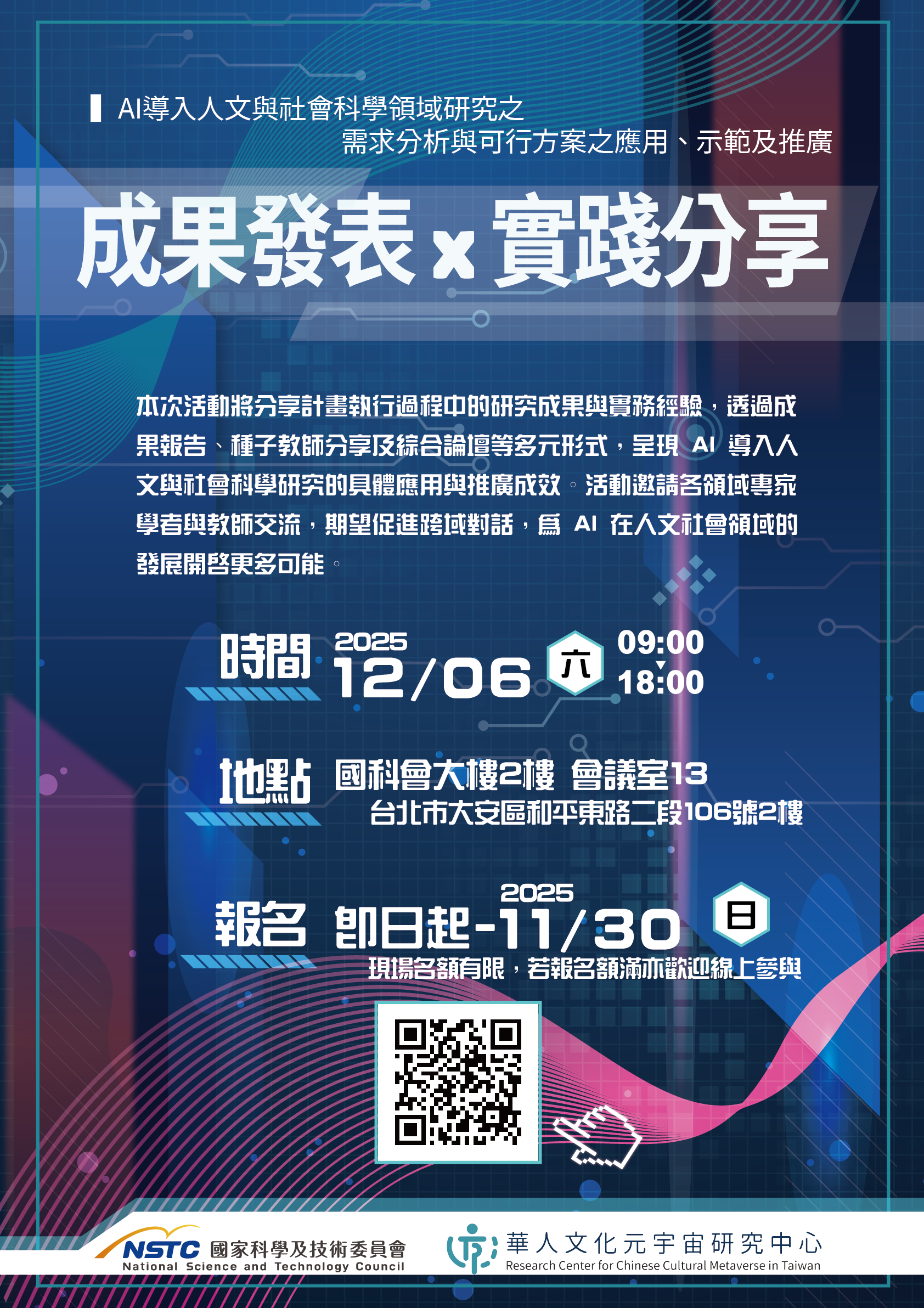
社會貢獻
- 將建置之「華人文化元宇宙生態系統平台」免費開放給國內各大學圖書館或政府機構作為珍貴之文化資產數位內容典藏,以及數位策展應用的開放平台,作為實踐數位典藏內容建置、數位人文學術研究,以及文化傳播的公共平台,讓本中心的學術研究成果能與世人分享。
- 免費開放「華人文化元宇宙生態系統平台」作為國內高等教育人文社會科學與數位內容相關科系數位策展專題實作課程之學用合一的平台,亦可作為搭配中小學之人文社會科學相關科目「探究與實作」教學的教學實踐場域,以促進研究成果對於國內學術研究及教學應用的貢獻。
- 定期舉辦在「華人文化元宇宙生態系統平台」上的華人文化策展創意競賽,鼓勵多元的文化記憶策展創作,激發公眾的文化創作力。
- 本中心針對數位貨幣及NFT之法律定性與監管、元宇宙中個資及隱私之保護、元宇宙平台之限制競爭與不公平競爭課題、兼顧言論表達自由與社會秩序間平衡的言論審查、虛擬分身及虛擬化身於元宇宙角色互動的行為責任,以及跨越法域與管轄權的國際法等研究議題,除了深具學術價值之外,亦可成為政府部門的政策制定指引。
人才培育
- 聘任國內外博士級青年學者為博士後研究員,培育具有優良學術研究能力及國際競爭力之博士級研究員人才。
- 提供碩、博士研究獎助,鼓勵本中心碩、博士生從事與本中心相關之研究。此外,本中心特別設立數位人文研究論文獎,以進一步的鼓勵學生能夠在人文領域之外,也能擁有結合人文與科技之跨域專長。
- 獎助學生提案,組織相關於本中心研究之專題研究或讀書會。
- 基於本中心發展的「華人文化元宇宙生態系統平台」,輔助本校教師將其導入於課程教學中,成為學生進行基於數位策展之專題實作場域,以促進學生學用合一之專業能力發展。
- 基於本中心發展的「華人文化元宇宙生態系統平台」上承載的高質量「華人歷史記憶」、「華人宗教實踐」及「華人大眾文化」數位策展內容,支援國高中人文及社會科學教育之「探究與實作」課程,以及各大學人文科系專題實作與通識教育之教學,向下及向上培養兼具人文與科技素養之人才。